
Formats · January 12, 2026
Sample UGC Or On-Site Shoot? A Cost Comparison For Brands
Vela Creator Editorial · Updated January 12, 2026
Sample UGC solves remote batch assets; on-site shoots solve real physical scenes. Costs, timelines, and risks differ. This post gives a side-by-side table so brands pick the right foreign-model format instead of forcing one pricing logic onto both.
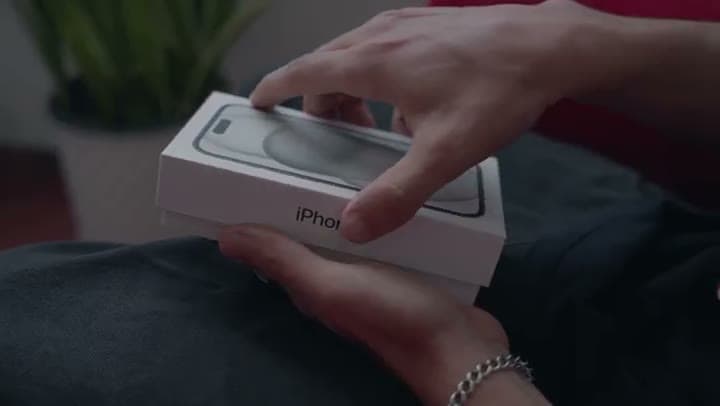
Sample UGC: light, fast, batchable
Sample UGC means shipping the sample to a foreign creator who films unboxing, trials, voiceover, lifestyle, and short-form content in their own setting. It is cheap, lets you run several creators at once, and quickly adds foreign faces and overseas-style content for Amazon listings, independent sites, and social ads. The limits: you don't control the set, and it can't carry complex product demos or a specific location.
On-site: closer to a small production
An on-site shoot brings the model to your store, exhibition, factory, or launch event. It captures real scenes and live interaction that sampling can't, and fits content that needs brand tone, offline atmosphere, and hands-on product use. The cost: coordinating city, time, location, team, and on-location support, which means higher spend, longer timelines, and greater risk of last-minute changes.
A side-by-side to help you choose
By use case: if you just need assets, want volume, and have a tight budget, choose sample UGC; if you need physical scenes, brand hero content, or store and exhibition records, choose on-site. By cost: sample is per-clip and cheaper; on-site is per-day plus travel and location. By timeline: sample takes days to a couple weeks, on-site needs advance scheduling. By control: sample is low, on-site is high. Most brands should sample first to validate script and creator, then upgrade what works to an on-site shoot.
Why the two must be quoted separately
If you merge sampling and on-site into one flow, you'll budget an on-site shoot at sample prices and overrun every time, while creators misjudge their effort. The fix is to separate the two formats from the brief onward, across shoot method, quote, deliverables, and licensing, so expectations align and the collaboration doesn't collapse midway.